Home Designs: Best-Sellers and Popular Choice of Aspiring Homeowners

What are the best-selling architectural designs? Aspiring homeowners and first-time builders want to know, not necessarily because they wish to build one right away, but just because they want to know the trends. It is inspiring and motivating. Knowing the sought-after styles can help them make a more informed decision about their likes and dislikes whenever they plan to build or buy their own.


Mediterranean-style residential design.


Home Designs: Best-Sellers of the 21st Century


Do you want to play safe with a popular traditional style, stay simply minimalist with streamlined modern forms, or deviate from the norm?

From architectural styles with sleek lines to country homes, colonial houses, villas, and chalets, some home designs have stood the test of time. Many are still relevant today.
  1. Craftsman: This is a great favourite for those who love classic home designs. They are large, feature natural stone and wood, and are currently the most popular style on the market.
  2. Prairie: Contemporary prairie-style plans, not unlike traditional layouts, consist of open floor plans with free-flowing spaces that flow between the indoors and outdoors. Said to be the first original American architectural style, their features include low-pitched or flat roofs, overhanging eaves, and clerestory windows.
  3. Mediterranean: The architectural home styles from the Mediterranean region (Greece, Spain, France, and Italy) are known for white plaster walls, wrought iron, patios, wood beams, and tiled roofs. Their designs often extend outdoors into courtyards or verandas.
  4. French Eclectic: They possess symmetrical or asymmetrical facades made with stone, bricks, and stucco. They have characteristic tall, steeply pitched, hipped roofs with narrow eaves. Roof materials are tile, slate, and shingles. They neither have porches nor verandas but come with balustrade terraces off first-floor rooms.
  5. New American: This style combines elements from various architectural styles to create an entirely new look. Features of interest include soaring entryways, a mix of different materials, prominent garages and plenty of interior space.
  6. Country: These architectural designs feature wide porches, shutters, meticulously spaced windows, and wood accents.
  7. European: Fashioned after beautiful French, Italian, and English architecture, they feature plaster walls, marble floors, and centrepiece fireplaces. Their elegance has captivated homeowners for centuries.
  8. Cottage: A Colonial style that stems from the homes of the first colonial settlements. They are often small-sized homes with features that include a large front porch, painted woodwork, and a small second story.
  9. Southern: These American home designs are built for the hot, humid climate typical of the South of the USA. Their features include large interior spaces, wide roof overhangs, wood shutters, and wrap-around porches.
  10. Ranch: Also known as Rambler style, ranch-style houses became popular in the mid-20th century. Their designs are in L, U, or rectangular shapes. Ranch-style homes are most often single-story structures.
  11. Modern: Modern house designs include pre-fabricated components and are designed to look (and feel) clean, open, peaceful, and relaxing. They embrace the sharp, sleek, and minimalist aesthetics of the ‘tech-hungry’ homeowner.

A modern Ranch-style home design.


Although some maintain the same architectural lines of the past, the homes come with modern interior features like:
  • Open floor plans.
  • High and vaulted ceilings.
  • Split-level floors.
  • Master bedroom suites.
  • En-suite bedrooms.
  • Entertainment rooms.
  • Outdoor living spaces.
They also desire innovative storage solutions and luxury fittings and fixtures that appeal to most aspiring homeowners.

Cape Cod Style Home.

The popular choices lean towards small to medium-sized structures. Why? Because of the downsized living trend. Another reason is that this century's digital-oriented folks are smart, realistic, and no-nonsense. They know the bigger a house is, the more it will cost to design, build, and maintain.


(This post was originally published by the author on Luxury Dream Home Designs)


Related:
Modern A-Frame Home Designs for Smart, Compact Living

Transform Used Shipping Containers into Your Dream Home Design

Have you considered upcycling used shipping containers into a charming home? Turning the discarded into an item of beauty and quiet comfort?

Well, while building with shipping containers is a relatively new concept, many prospective homeowners are yet to fully embrace the idea and give it a try.


A simple home design fabricated with used shipping containers.


Today, downsizing is the keyword for people reevaluating their lifestyle, finances, and health. They want to live in style but are cognisant of the fact that going into major building expenses at this point in time is foolhardy.

For city residents who wish to continue living the urban lifestyle, there are fewer available plots to build on. And even suburban dwellers who may get larger plots need to worry about the costs of designing and building their dream home, an uber-expensive venture.

Container Architecture


Today, recycling used shipping containers that normally serve as storage facilities and building site offices has now found a place in the luxury homes building industry. Referred to as container architecture, it is becoming the new way to meet the 21st-century needs of prospective homeowners.

Why Build with Used Containers


Why not? If you aspire to build a home without having to sink into endless debt, this is a great idea to consider. Dare to be different. Be a pacesetter. Build the home of your dreams through sustainable design. But there are other reasons as well:
  1. It is an affordable way to own a home, especially if you only have a small piece of land to build on.
  2. Shipping containers are readily available and inexpensive. They cost only a fraction of building costs.
  3. They come in standard shapes and in sizes ranging from 10ft to 40ft long, by 8ft wide and 9ft high. These can be easily configured into striking architectural styles.
  4. You can have them built as cute bungalows or multi-level, cantilevered homes.
  5. You can build anything from small offices to restaurants, shops, and lavish, luxurious homes.
  6. You save a considerable amount of money on building costs, materials, and construction time.
  7. Used containers offer a green and sustainable approach to the conventional construction process.
  8. Because shipping containers are factory-built for freight, they can be upcycled into beautiful container architecture.
  9. It eliminates the challenges of sourcing massive building funds, a major concern for many prospective home builders.

Container architectural style.


Building homes with shipping containers is simple and fast. Not only that. It is affordable, efficient, and maintenance-friendly, making the container architecture concept win converts all over the world.

Important Aspects to Note Before Building


  • Find out from the relevant local council about the application process required. Achieving the best results without running into unnecessary hitches is all about preparation. Before you commence building, do the following:
  • Get building permission and/or council consent.
  • Find the right builder whose expertise includes building container structures.
  • It is not a DIY project (unless you are a professional builder with container architecture expertise).
  • Use a competent structural engineer. Building with steel structures is more complex than conventional building.
  • Whoever you work with must know about the interior and exterior finishing that's suitable for shipping container conversion.

Eco-friendly and Sustainable Structures


From luxury homes to schools, clinics, offices, and workshops, upcycling materials is eco-friendly. Containers classified as industrial cast-offs are being creatively repurposed into sustainable living spaces—a clever idea that many 21st-century prospective homeowners respond to positively.

(This post was originally published by the author on Luxury Dream Home Designs)

Related:
Modern A-Frame Home Designs for Smart, Compact Living

Modern A-Frame Home Designs for Smart, Compact Living

A-frame homes are distinctive architectural structures characterised by steeply angled roofs. Its form, which takes the shape of the letter A, peaks at the top, while its sides slope down to the ground level.


Originally known as roof huts in ancient Europe, the Pacific Islands, and the Far East, they were built not for aesthetic purposes but because they were better suited to tremors, earthquakes, and other adverse conditions.

They didn't become fancier structures until the 1930s. By the 1950s, A-frame houses became popular as resort cabins and holiday getaways for the elite and the adventurous.

Today, they are sleek and stylish modern homes that are relatively cheap to build, adaptable, and available as prefabricated house kits.

Structural Features


A-frame buildings have a basic skeletal structure (inner wood or steel frame) enveloped by varied materials, depending on the architectural style sought.
  • Cedar, oak, or similar wood.
  • Steel members (pre-coated with intumescent paint).
  • Pre-fabricated boards and dry walls for interior partitioning.
  • Brick or stone for the exterior walls.
  • Tempered clear or tinted glass.
  • Roof materials that range from thatch to aluminium sheets.

Although the interiors may have limited floor space, there are designs that come as one-and-a-half or two-storey houses with open and inviting interiors and soaring ceilings.


Other features include:
  • Hardwood, ceramic tiles, bamboo, and stone materials like marble, granite, or quartz flooring.
  • Exotic masonry fireplaces.
  • Half-floor lofts, attics, and cantilevered balconies.
A-frame house kits are available for individuals who wish to self-build a getaway home. Their house plans and blueprints, complete with building instructions, are also available for purchase online.


Who is this Architectural Style Ideal For?


  • Homeowners seeking to live a downsized lifestyle.
  • As an additional structure on a large property that will serve as guest quarters or parents' apartment.
  • A studio or work-at-home office.
  • Health spa and clinic.
  • Craft room for those in the craft-making industry.

A-frame home designs are an ideal choice for first-time home buyers or investors in the building industry. And if you are looking for a second home or a vacation home, choose an A-frame house. If you can’t find one to buy, build it.


(Culled from an article originally published by the author on Luxury Dream Home Designs) 


Related:
Transform Used Shipping Containers into Your Dream Home Design

Interior Design: Frequently Asked Questions (FAQ)

Employing the services of an interior designer can be pricey, and depending on the scope of work, it can run into several thousands of dollars. However, this doesn’t mean that beautiful design concepts are the exclusive rights of the wealthy.


Do All Interior Design Tasks Require Professional Services?


It is not uncommon to find homeowners who’d prefer to hire designers because they know they’ll not only get professional touches that only interior designers can give—they are also privy to the fact that unusual design secrets of interior transformations can only be given by a professional designer.

However, not all interior design tasks require a professional to execute. There are simple tasks that you can implement yourself if the scope of work is basic and uncomplicated.

You don’t have to be design savvy to give your room a simple upgrade, and you don’t need to be a professional to apply clever tricks to transform your interior space. If you desire a makeover for a particular room, a space within a room, the entire home, or an outdoor room, and plan to do-it-yourself (DIY), the following question-and-answer tips will help you in no small measure.

Of course, there are certain tasks you may not have the skills to implement. For instance, if your upgrade requires electrical or plumbing work, you may need an electrician or a plumber. In this case, you may hire licensed contractors through your local home improvement stores.

So, if you plan to give your interior an uplift but can’t afford to hire an interior designer, do it yourself. As a DIY project, you will save tons of money.

FAQ on Interior Design Tasks


Below you will find some of the most common interior design makeover questions with simple and straightforward answers. You will also receive useful advice and practical tips that designers use to create a professionally designed interior.

Q: Before you design a room, what is the first thing to consider?


The theme.

A good design begins with choosing a theme or style, and this can be anything from the elegant country style and art deco to Hollywood glam, Asian, feng shui, or minimalist style. Once the style is clear in your mind, design the entire room accordingly using artwork, colours, textures, furniture, furnishings and lighting to achieve your desired theme. If you don’t have a particular theme in mind, create your own. You can do this by having a combination of no more than two themes, like a predominantly modern style with a splash of traditional features.

Q: What are the key décor elements that will uplift a room?


Accessories.

If you plan to keep your existing furniture but need to spice up the room to give it a fresh look, accessorise. All you need to do is add some key elements to brighten things up. Décor items can make a room look elegant, comfortable, and professionally put together, and they don’t have to be expensive. In fact, most are quite budget-friendly. Examples of key décor elements include plants, indoor water features, soft furnishings like cushy rugs and throw pillows, framed art, sculptures, carvings, and gold metal accents.

Q: How can you best design a small space?


Use colour.

For small spaces, you want to keep it impressive while avoiding a cluttered and overwhelming look. Use soft light colour paint on the walls to make the space look bigger, and if you like white, that’s okay too. Make one of the four walls a feature wall by painting it with a complementary but understated hue, but avoid using cheap or poor-quality paint. Don’t over-furnish a small room, and ensure that the furniture items you use are small-scale pieces.

Q: How can you design a large room?


Create zones.

If you have a large living room, for instance, break the space up into two or three distinct seating areas with furniture. Avoid using large-scale pieces, but rather, use furniture items that are small in scale. One zone can be created to seat six people, the second can seat four, and the third can seat two people.

Q: What is a good way to add lighting to a room?


Use a mix of standard, ambient, task, and accent lights.

The best way to enhance a room with lights is to incorporate these different kinds of lights to create different lighting. There is a workable ratio to use: 70% of overhead lights in the form of pendant, ceiling, and/or recessed lights, and 30% of free-standing lights like wall-mounted sconces, night lights, table lamps, and floor lamps. Use spotlights to illuminate wall art and paintings.

Q: How can you give a room a unique feature that stands out?


Create a feature wall.

There are various ways to design a feature wall. Colour, texture, form, and character come into play when creating a focal point in a room. You can use the main wall in the room or the wall you face as you walk in. Feature walls can be mirrored, or painted in a starkly contrasting (but complementary) colour. It can have a large piece of artwork or a cluster of framed paintings/illustrations. It can also be finished with decorative stone, light art, stucco, wallpaper, vertical wall-plants or easy-to-install wall panels.

Q: How do I select the right furniture?


Choose the right scale.

There is no ‘right furniture’ per se because the choice of furniture will depend on the style or theme of the room. However, the scale of furniture must be right, and the best way to not go wrong is to first check the room’s dimensions, and if possible, sketch it out before going out to select furniture. Don’t use over-sized furniture for small spaces and don’t use small-scaled furniture for bigger rooms. And, don’t over-furnish the room.

Q: How can you use dead spaces, alcoves, and dead ends?


Shelving and display.

If you have a small apartment, finding space for a standalone bookcase or display unit can be a problem. If this is the case, it is best to install decorative wall-mounted shelves. These leave enough floor space to place other furniture items. For dead spaces, corners, niches, and between windows, shelves provide space not only for books but for decorations, souvenirs, figurines, and other collections.

Q: What type of countertop material can you use for a kitchen upgrade?


Stone, wood, or man-made materials.

With a countertop change, a kitchen will be totally transformed but the choice of a kitchen countertop material depends mainly on costs. Granite and quartz are on the high side, but they have great advantages and longevity. While marble and limestone are also good options, they are not resistant to stains and scratches like granite and quartz. Woods like maple, cherry, and oak, and laminate countertops are more affordable but are prone to dents and scratches and unsuitable for direct cutting. Stainless steel countertops are non-porous. They are aesthetically pleasing, water-resistant, and heat and stain-resistant.

Q: What is green interior design and is it for you?


Green interior design is, simply put, eco-friendly design.

If you are a health-conscious, sustainable living enthusiast, that means that you are one who pays close attention to the products you use in your home. Eco-friendly interior design focuses mainly on furniture and furnishings that are free from pollutants that harm indoor air quality. Examples of green materials include upholstery made of organic materials, natural woods and furniture made from walnut, oak, teak, and mahogany, including maple, bamboo and pine for more casual pieces. And rugs made from natural fibres like jute, wool, hemp, and cotton.

Q: Can you convert your balcony or porch to a garden?


Yes.

Just because you live in a high-rise apartment doesn’t mean that you can’t have a ‘garden’. To create a lush garden of your dreams, create a vertical plant wall, use stacking techniques, hang plant baskets and utilise potted planting. For maximum effect, install faux grass flooring and add a garden stool or two if you have enough space. Add some ornamental plants for decorative purposes.

What Things Must You Consider When Designing a Room?

  • Use colour carefully and remember that lighting doesn’t only serve as illumination, it also has an effect on everything in a room including the walls, ceilings, furniture and furnishings.
  • When placing artwork, paintings, or framed illustrations on your walls, place them at appropriate heights on the walls. Not too high and certainly not below eye level.
  • Use appropriate lighting. You don’t have to turn them all on at the same time except perhaps on special occasions. Use ambient lighting to create moods and atmospheres.
  • For very small rooms or niche-like interior spaces, install decorative wall mirrors to give the space an extended outlook. They come in all shapes and sizes, as one-piece units, or in random clusters.
  • Choose and shop wisely. Be ready to visit flea markets and estates/garden/garage sales for rare and unique finds. These are some of the sourcing secrets interior designers use to create high-end interiors.

Work at Your Own Pace and Budget


Today, we live in a DIY culture. So if you prefer to be your own interior designer, you can work at your own pace and save money. You can choose what you can work on and hire someone to do what you cannot do. And if you don’t have a lump sum of money available, you can put the space together in phases.

For inspiring interior design ideas and tips on what makes interior designers ‘tick’, look for e-books or online magazines that even the top designers read to polish their skills and stay relevant in the building industry.


(Article originally published by the author at Hubpages.com on 01/28/20)


Articles of interest
4 Bedroom Design Ideas with Exotic Ethnic Flair

An ethnic bedroom design offers several style potentials that are not restricted to concepts related to African, North American, and Australian natives. Contrary to the general belief that ethnic designs are tribal, the concept of the style can often be associated with the exotic. The bedroom is one of the interior spaces that can translate the style in a striking manner.

From subtle earth tones and rough textures to vivacious colours and elaborate patterns, fashioning your bedroom in an ethnic style means that it is infused with both traditional and art-inspired features and elements typical of the style’s theme.

Creating a bedroom design depicting an ethnic theme is easy to achieve and fun to put together, and in a contemporary bedroom set-up, the trick is to ensure you complement your modern furniture with different local art, furnishings, and finishes.

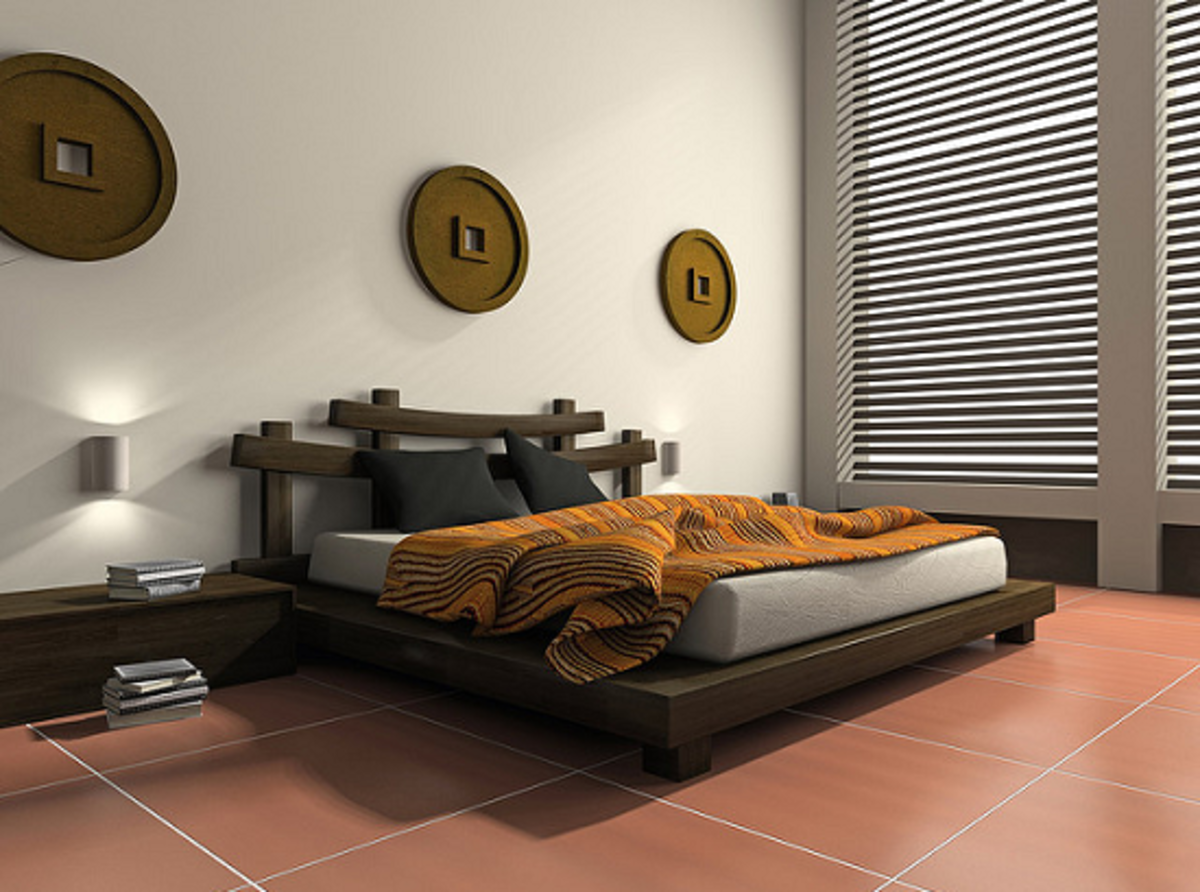
A modern bedroom with an ethnic touch. Notice the wall art, headboard, and bedspread - all ethnic elements, set in a modern bedroom with clean hard floor, modern wall sconce, and Venetian blinds.
A modern bedroom with an ethnic touch. Notice the wall art, headboard, and bedspread - all ethnic elements, set in a modern bedroom with a clean tiled floor, a modern wall sconce, and Venetian blinds.


How to Create an Ethnic Theme Bedroom


If you wish to create an ethnic theme, though some may disagree, it is best to keep within a particular theme rather than create a mishmash of ethnic elements. For instance, if you wish to create a Mexican ethnic theme, mixing Mexican elements with traditional native American themes may end up giving the bedroom an undefined look.

Using the word 'ethnic or tribal' may sound objectionable to people who don’t appreciate the artistic interest this holds for some designers, decorators, and homeowners, but being ethnically inclined means having an interest in the arts and crafts of ancient times that can be incorporated with modern features.

Examples of ethnic bedroom interior design are:

African theme

With a sleek modern bed, nightstand, and dresser introduce elements like:
  • An African tribal mask mounted on the wall (or wall-hung talking drums).
  • A heavily patterned handwoven rug on a stone floor finish.
  • A couple of large floor pillows covered in rustic textiles or African prints.
  • Collection of décor objects like artefacts,
  • Stone or hardwood floor finish.
  • Faux animal skin.
  • Woven baskets and wood carvings.
  • Brass or copper sculptures.
  • Pendant lights and table lamps with textured fabric, feathers or shades.

The bedroom design may contain all or a minimum of four of the listed elements to create an ethnic look.

Japanese ethnic theme 

For an oriental inclined ethnic bedroom décor, use a low bed with side cabinets and a chest and introduce furnishings like:
  • Umbrella-art inspired ornaments
  • Oriental hanging lanterns or table lamps
  • A two-panel folding screen.
  • Traditional Japanese plants, like bonsai and bamboo.
  • Tabletop water feature. Elements of water are important in Japanese homes.
  • Bamboo wood flooring or stone tile floor finish.
  • Simple bamboo window shades, or sheer, gauzy fabrics for curtain panels.

Japanese style revolves around a clean, orderly, and uncluttered look, with all elements set together in a balanced order.

Mediterranean ethnic theme

The Mediterranean style is primarily a fusion of several different sub-styles influenced by the colourful and classic Spanish influences, the Greek style with hues of blue, turquoise and plenty of white, and the old-world charm of the Italian style. There is also the bold influence of the Moroccan style that can take a bedroom in an entirely different direction. Bedroom furnishings you’ll require to create an ethnic style include:
  • A white backdrop of walls and natural, but vibrant, earth hues.
  • One textured wall.
  • Wrought iron light fixtures.
  • Moroccan rug.
  • Wrought iron chandelier.
  • Wall art with images of Mediterranean scenery.

The Indian touch

The two main elements of Indian design are their rich colours and exotic textures, and adding Indian features to your ethnic bedroom design gives an intriguing effect. From furniture to décor items, the unique traditional pieces typical of the region include:
  • Handwoven Ikats textiles and upholstery.
  • Indian embroidered cushion covers
  • Wood floor lamp.
  • Ottomans
  • Colourful lanterns.
  • Ethnic solid wood bedside tables
  • Copper vases.
  • Silk cushions
  • Indian ethnic cotton bedcovers.
  • Traditional India carpet.
  • Glasswork and ceramic vase.
  • Brocade upholstery.
  • Kashmiri rug.

A Mix of Different Styles


This can be dicey unless you want an eclectic theme. If you have to, don’t for instance, mix a Moroccan theme with other styles like Asian or Hispanic. Moroccan is an African theme so it's best to keep it African. A good mix will be a Moroccan theme with a dash of Safari East Africa.

Blending elements of the American prairie bedroom design with some Latin American basics will give a surprisingly stylish look. Also, you can combine Native American with Prairie furniture décor and a couple of understated tropical themes.
Luxurious bedroom setting in predominantly ethnic style.

Blending the Modern with Ethnic Design


If you're not one for the total ethnic look, you can mix ethnic furnishings with modern bedroom furniture. Alternatively, you can have ethnic furniture enhanced with modern finishes and decor. But how can you create this effect?

It's not that hard, considering there is no hard and fast rule on how to achieve a successful mix. But there must be a balance.

  • Use beds, headboards, and/or chests with clean classic lines and then incorporate ethnic furnishings, like an accent chair or two, with a carved stool or chest and a modern reading lamp.
  • Spread a plain white modern duvet on the bed and arrange some African print throw pillows at the head of the bed. A faux animal print rug like zebra, leopard, or tiger prints at the foot of a modern sleek bed set.
  • Hang metal artwork on the focal wall of the room which is usually at the bedhead. Add Moroccan pendants or fretwork lamps to illuminate the room by casting out patterns on the walls. Let everything else in the bedroom consist of modern furniture.
  • Set an ethnic fretwork divider against the wall to serve as a headboard or use it as a screen to hide away an open wardrobe or clothes rail.
  • Add ethnic texture to a modern bedroom setting through fabrics, window coverings, duvet covers, upholstery, wall art, or lampshades.

Use decorations to replicate the modern or ethnic look. These decorations include vases, candle holders, tabletop ornaments, stone or wood carvings, aromatherapy oil burners, etc... Little details like these will create a theme that works well together.

Ethnic oriental bedroom design with a blend of a modern style.
Ethnic oriental bedroom design with a blend of modern style.


Some other ethnic-style furnishings you can add to your bedroom design include:
  • All kinds of pottery
  • Animal-inspired ornaments
  • Umbrella art, painted wall fans, and classic paper lamps
  • Traditional incense holders
  • Hammered metal sconces
  • Beaded box containers
  • Chests
  • Handwoven rattan tables

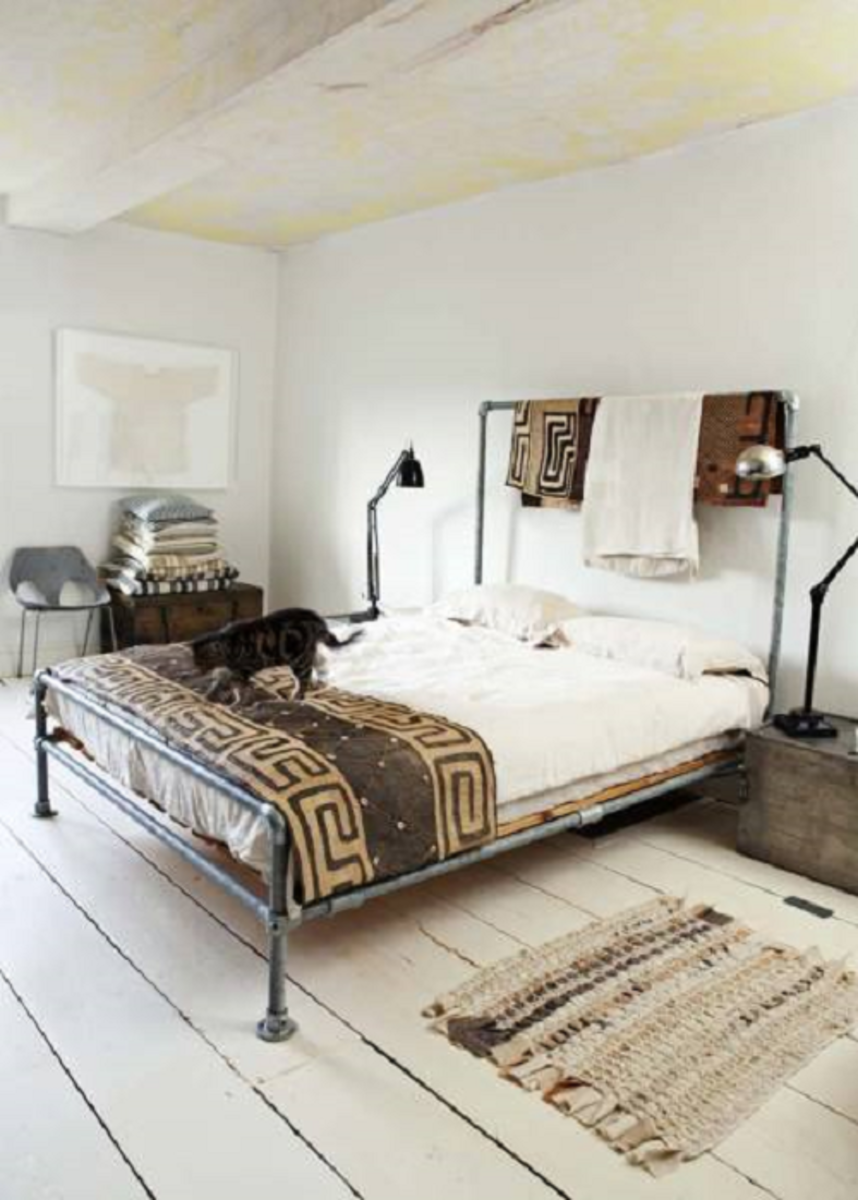
A modern minimalist bedroom layout with a rustic floor finish, modern chair, and contemporary table/reading lamps. The setting is typical of an ethnic theme.
A modern minimalist bedroom layout with a rustic floor finish, a modern chair, and contemporary table/reading lamps. The setting is typical of an ethnic theme.

Ethnic decor colours you can blend with a modern bedroom interior design include white, off-white, earth colours like ochre, burnt orange, bright red, deep shades of blue, all shades of brown, terracotta, and sand. All these warm hues will add a comforting cosiness to any bedroom fashioned after the ethnic style.

(Article originally published at hubpages.com on 01/07/13)

Articles of interest: 
Design Interior Spaces
Eclectic Style Mistakes to Avoid